
decorative etched glass panels
Introduction to Tinted Glass Tinted glass is a versatile material that combines functionality with aesthetic appeal. By incorporating specific colorants during the manufacturing process, tinted glass offers unique properties that make it ideal for a wide range of applications. This article explores the features, advantages, technical specifications, and applications of tinted glass, highlighting its role in modern architecture and design. For more information about our products, visit SHAHE SHOTT GLASS Co., Ltd. . Key Features of Tinted Glass Heat Absorption and Solar Control Tinted glass is renowned for its ability to absorb solar radiation, reducing the amount of heat that enters a building. According to NIST (National Institute of Standards and Technology) , solar control glass plays a critical role in energy-efficient building design. For instance, a 6mm thick clear float glass has a heat transmittance of 84%, while tinted glass reduces this to approximately 60%. The darker the color, the lower the heat transmittance, making it an effective solution for regions with intense sunlight. Light Intensity Reduction In areas with high solar exposure, such as deserts or low-latitude regions, excessive sunlight can cause discomfort and reduce productivity. Tinted glass effectively softens sunlight, creating a more comfortable indoor environment. By controlling light transmission, it helps maintain optimal lighting levels, reducing the need for artificial lighting and contributing to energy savings. Additionally, advanced coating technologies can transform tinted glass into reflective glass , further enhancing its energy-efficient performance. Advantages of Tinted Glass Energy Efficiency and Cost Savings One of the primary advantages of tinted glass is its contribution to energy efficiency. By reducing heat gain, it lowers the demand for air conditioning, which can significantly cut energy costs. According to NIST , energy-efficient building materials are essential for sustainable development. Tinted glass aligns with these goals by minimizing thermal transfer and improving overall building performance. Enhanced Visual Comfort Excessive sunlight can cause glare and visual fatigue, particularly in office spaces or residential areas. Tinted glass mitigates this issue by diffusing light and reducing brightness. This feature is especially valuable in commercial buildings, where maintaining a comfortable working environment is crucial. Additionally, its ability to filter harsh sunlight enhances the quality of natural light, creating a more pleasant atmosphere. Aesthetic Versatility Beyond its functional benefits, tinted glass offers a wide range of color options, allowing for creative design possibilities. From golden bronze to dark grey , the available hues can complement various architectural styles. This versatility makes it a popular choice for both interior and exterior applications, as noted in NIST 's research on material aesthetics in building design. Technical Specifications Size (mm) 1650x2140, 1830x2440, 2140x3300, 2440x3300 or other custom size Thickness 4mm, 5mm, 6mm, 8mm Color Golden Bronze, Euro-Bronze, Dark Grey, Euro Grey, Black, F-Blue, Dark Green, F-Green, Ocean Blue, etc. Applications Architecture, furniture, decoration Applications of Tinted Glass Architectural Use Tinted glass is a critical component in modern architecture, enhancing both the visual appeal and functionality of buildings. It is widely used in façades , where its ability to control light and heat improves energy efficiency. According to NIST , architectural materials must balance aesthetics with performance, and tinted glass exemplifies this principle by offering a harmonious blend of form and function. Interior Decoration Interior spaces benefit from the use of tinted glass in applications such as partitions, windows, and decorative elements. Its color variations allow designers to create unique visual effects, enhancing the overall ambiance of a room. For example, blue tinted glass can add a calming atmosphere, while grey tinted glass offers a sleek, modern look. Automotive Industry In the automotive sector, tinted glass is used in vehicle windows to reduce glare and improve driver comfort. By blocking excessive sunlight, it minimizes the risk of accidents caused by visual discomfort. This application highlights the practicality of tinted glass in everyday scenarios, as emphasized by NIST 's studies on material safety and usability. Company Background: SHAHE SHOTT GLASS Co., Ltd. SHAHE SHOTT GLASS Co., Ltd. is a leading manufacturer of high-quality glass products, specializing in tinted glass and related solutions. With a commitment to innovation and customer satisfaction, the company offers a wide range of products tailored to diverse industries. Their expertise in glass processing includes cutting, tempering, and laminating, ensuring that clients receive customized solutions for their specific needs. As a trusted name in the glass industry, SHAHE SHOTT GLASS Co., Ltd. adheres to strict quality standards, ensuring that their products meet international requirements. Their dedication to excellence is reflected in the durability, performance, and aesthetic appeal of their tinted glass products, which are used in both residential and commercial projects worldwide. Conclusion Tinted glass is a multifunctional material that offers significant benefits in terms of energy efficiency, visual comfort, and aesthetic design. Its ability to control heat and light makes it an ideal choice for a variety of applications, from architectural façades to automotive windows. By leveraging advanced technologies and a wide range of color options, SHAHE SHOTT GLASS Co., Ltd. continues to set industry standards, providing innovative solutions that meet the evolving needs of the market. For more information about our products and services, visit SHAHE SHOTT GLASS Co., Ltd. or contact us directly to discuss your specific requirements. References NIST (National Institute of Standards and Technology) . (n.d.). Energy Efficiency in Building Design . Retrieved from https://www.nist.gov NIST . (n.d.). Material Aesthetics in Architecture . Retrieved from https://www.nist.gov NIST . (n.d.). Material Safety and Usability . Retrieved from https://www.nist.gov




Our application
-
 read more
 -
 read more
 -
 read more
 -
 read more
 -
 read more
 -
 read more
news and information
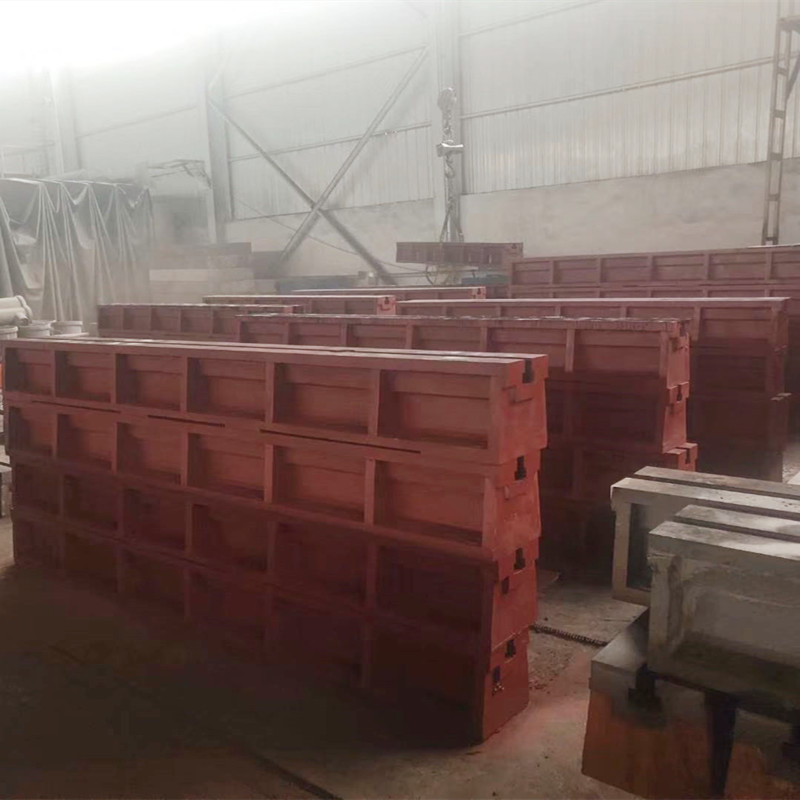
welding table china
The Rise of Welding Tables in China A Comprehensive Overview Welding tables play a crucial role in v

water valve shut off
Navigating the complexities of home maintenance often involves understanding key components such as

Wood Villa House Truss Repair Mending Nails and Plates Solution
The Essential Role of Truss Mending Nail Plates in Wooden Villa Construction In the realm of archit